

August 10, 2026
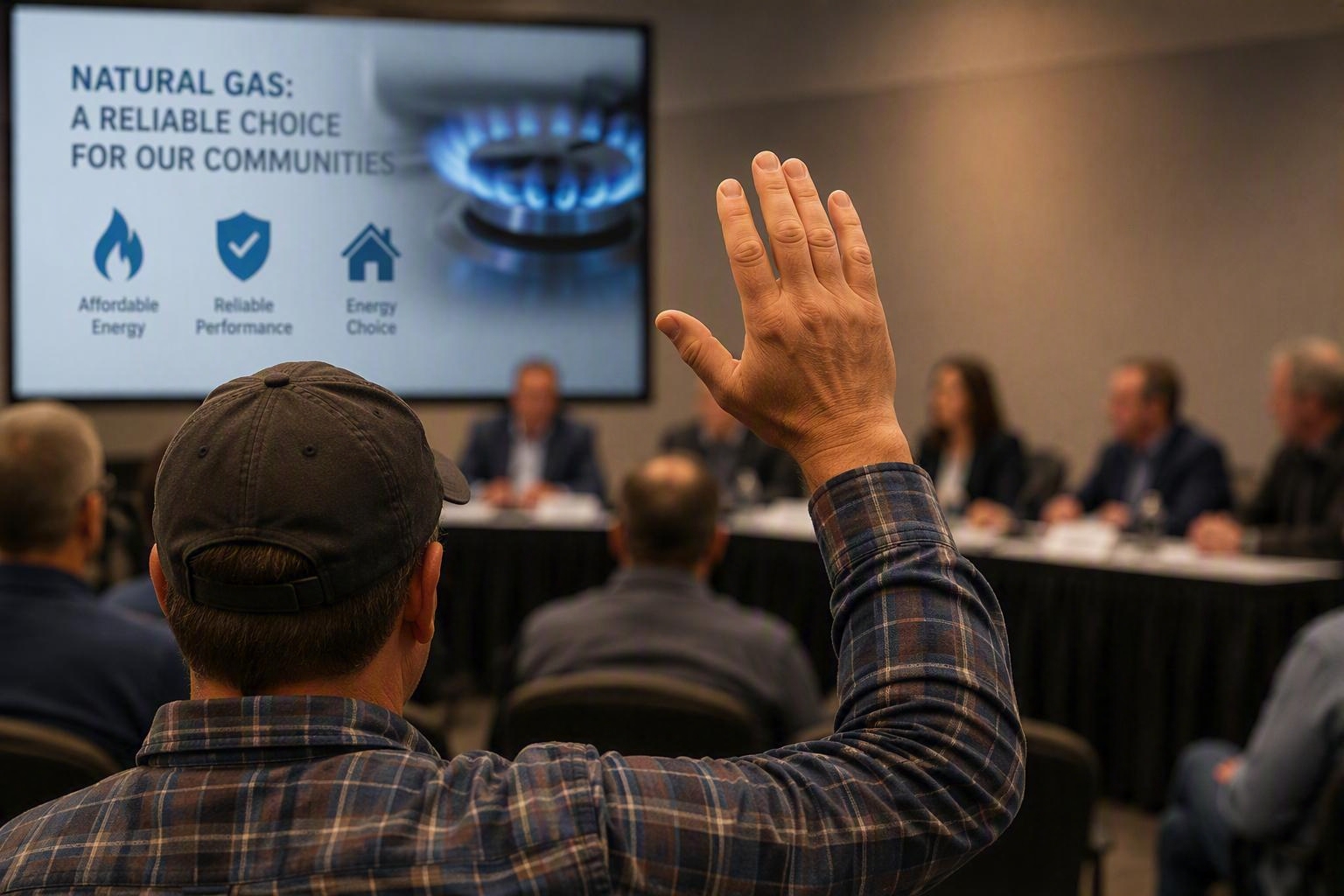
BIAW would like to thank the many members, local associations, industry partners, and concerned citizens who took the time to submit public comments on the proposed 2024 Washington State Energy Code (WSEC).
Your participation helps ensure that the State Building Code Council (SBCC) hears directly from the builders, contractors, suppliers, homeowners, and businesses that will be affected by these code changes. Housing affordability, energy efficiency, regulatory costs, and consumer energy choice are all important issues, and public engagement is critical to achieving a balanced final code.
What Happens Next?
With the public comment period now complete, the SBCC will begin a series of weekly work sessions to review comments, discuss stakeholder concerns, and develop potential amendments to the proposed code before final adoption.
These work sessions provide Council members with an opportunity to evaluate issues raised during the public comment process, consider alternative approaches, and make revisions to the proposal. Final adoption of the 2024 WSEC is currently expected to occur in September.
BIAW will continue participating throughout this process, advocating for changes that improve housing affordability, preserve compliance flexibility, and protect energy choice.
Key Issues Raised During Public Comment
Throughout the public comment period, BIAW and many industry stakeholders encouraged the SBCC to:
- Adopt the proposed Energy Rating Index (ERI) pathway, which provides additional compliance flexibility and can significantly reduce construction costs.
- Adopt the proposed home-size credit bracket revisions, which help reduce costs for many entry-level and mid-sized homes.
- Adopt lower-cost alternatives for provisions that unnecessarily increase construction costs or limit design flexibility.
- Use a fuel-neutral approach to energy efficiency.
- Respect Washington voters' support for energy choice through Initiative 2066.
A recent Washington Center for Housing Studies report found that the proposed 2024 WSEC could reduce construction costs compared to the 2021 WSEC for many homes, largely because of the ERI pathway and home-size credit revisions. At the same time, the report identified several provisions that would increase costs, limit design flexibility, or impose significant penalties on homes using natural gas.
Wildfire Recovery and Rebuilding Costs
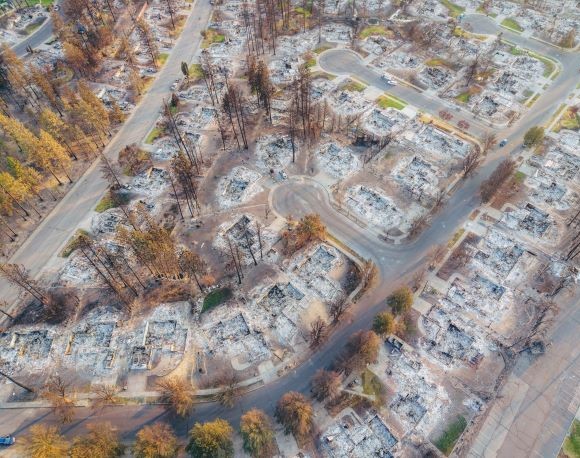
Recent wildfires in Spokane and other areas of Eastern Washington have highlighted another important concern: the cost of rebuilding homes lost to natural disasters.
While BIAW's analysis indicates that the proposed 2024 WSEC would generally reduce construction costs compared to the 2021 WSEC, many homes destroyed by wildfire were built under much older energy codes. Homeowners rebuilding those homes may face substantially higher compliance costs than were required when their original home was built.
The Legislature can address this issue by considering new legislation similar to House Bill 1899 (2023), which would have allowed homes destroyed by wildfire to be rebuilt using a prior version of the energy code. Such an approach would provide homeowners with greater flexibility when balancing upfront construction costs with long-term energy savings and would help reduce financial barriers to rebuilding after a disaster. For faster relief, Governor Ferguson could issue an Executive Order outlining temporary relief from the codes until legislation is passed.
Using an energy code edition from before the 2018 WSEC would also eliminate many of the compliance penalties currently imposed on homes using natural gas, providing homeowners with additional flexibility in selecting heating systems that best fit their needs and budgets.
Stay Engaged
Although the public comment period has ended, the process is not over. The decisions made during upcoming SBCC work sessions will shape the final code that is adopted later this year.
BIAW will continue monitoring the process and working with council members and industry partners to support housing affordability and energy choice. Next year, BIAW will offer classes on the new codes before they go into effect.
Thank you again to everyone who submitted comments, attended hearings, contacted elected officials, or otherwise participated in this process. Your involvement helps ensure that Washington's energy code supports energy efficiency while also recognizing the importance of housing affordability, construction feasibility, and energy choice.